

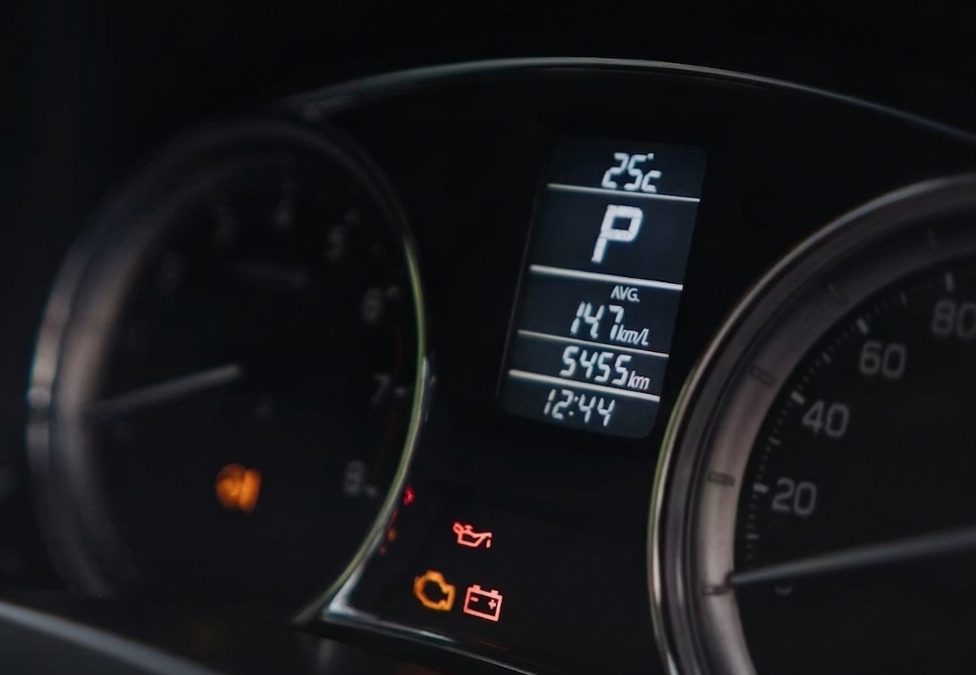
A car breakdown can happen at the worst possible moment: during the school run, on the way to work, outside town on a dark rural road, or on a busy motorway with traffic moving at high speed. Even a simple issue such as a puncture, flat battery, overheating engine or warning light can quickly become stressful if you are unsure what to do next. The most important thing to remember is that your safety comes before the vehicle. Cars can be repaired or recovered; people must be protected first.
This guide explains what Irish drivers should do immediately after a breakdown, step by step. It covers where to stop, when to switch on hazard lights, how to manage passengers, what to do on motorways, whether to use a warning triangle, when to call for help, and how to arrange towing or recovery. Keep it bookmarked on your phone so you can find it quickly if you ever need it.
1. Stay Calm and Assess What Is Happening
The first few seconds after you notice a problem are important. Your instinct may be to stop immediately, but that is not always the safest option. If the vehicle is still moving and you have some control, take a breath, check your mirrors, reduce speed gradually and look for the safest place to pull in.
Common warning signs include loss of power, a sudden engine warning light, steam from under the bonnet, a tyre blowout, unusual knocking or grinding, smoke, a strong burning smell, or difficulty steering. If the car feels unsafe to drive, do not try to continue to your destination. Your goal is to get out of live traffic as safely as possible.
Avoid harsh braking unless there is an immediate danger. Sudden braking can surprise drivers behind you, especially on faster roads. If possible, indicate early and move steadily towards the left. Keep both hands on the wheel and focus on controlling the vehicle until it is stopped.
2. Choose the Safest Place to Stop
Where you stop can make a major difference to safety. The ideal stopping place depends on the road you are on, the traffic around you, visibility, weather and whether the car can still move under its own power.
If You Are in a Town or Village
In a built-up area, try to pull into a car park, side street, petrol station forecourt, wide lay-by or safe parking bay. Avoid stopping on bends, near pedestrian crossings, at junctions, at bus stops, or anywhere your vehicle blocks traffic. If you can safely coast a short distance to a better location, it is usually worth doing so.
If You Are on a Rural Road
On rural roads, visibility is often reduced by bends, dips, hedges, walls and narrow verges. If possible, stop beyond a bend rather than before it, because drivers approaching from behind need time to see you. Look for a gateway, lay-by, farm entrance, hard standing area or wider verge. Do not stop in a position where another vehicle would have to cross a solid white line or move blindly into oncoming traffic to pass you.
If you have no choice but to stop on a narrow road, keep as far left as safely possible, turn on your hazard lights, and get occupants away from the carriageway if it is safe to exit. Be especially cautious at night or in wet weather, when visibility and stopping distances are worse.
If You Are on a Dual Carriageway or Motorway
On high-speed roads, your priority is to leave the live lane. Move left as soon as it is safe. If there is a hard shoulder, use it only to stop in an emergency. Pull as far to the left as possible, ideally with your wheels turned slightly left, away from traffic. Do not attempt roadside repairs on the traffic side of the vehicle.
Motorway breakdowns require extra caution because traffic is fast and close. For a more detailed motorway-specific checklist, see our guide to motorway breakdown assistance in Ireland and what to do on the hard shoulder.
3. Switch On Hazard Lights Immediately
Once you realise the vehicle is in difficulty, switch on your hazard warning lights. This alerts other road users that your vehicle is a hazard or may be moving unusually slowly. Use them while you are slowing, while stopped, and while waiting for help.
If visibility is poor due to darkness, fog, heavy rain or spray, you may also use side lights or dipped headlights so the vehicle is easier to see. However, avoid dazzling other drivers. In some situations, especially at night on a rural road, keeping interior lights on briefly may help you gather belongings, but do not stand in the road or create additional risk.
If your hazard lights do not work because the battery has failed, your location becomes even more important. You should move people to safety, avoid standing behind or beside the car, and call for breakdown assistance promptly. A recovery operator can advise you based on your exact location and risk level.
4. Think Carefully Before Getting Out
Many injuries happen after the car has stopped, when a driver or passenger steps into a dangerous place. Before opening any door, check mirrors and look around. If traffic is passing close to the driver’s side, it may be safer to exit through the passenger side. On motorways and dual carriageways, the safest exit is usually through the left-hand doors, away from live traffic.
Do not let children, older passengers or pets step directly into the roadway. If you have passengers, give clear, simple instructions: “Leave your seatbelt on until I tell you,” “Exit on the left,” or “Walk behind the barrier and stay together.” In stressful moments, people may panic or move without thinking, so calm direction helps.
If it is unsafe to leave the car, such as when you are trapped in a live lane or traffic is passing too closely, keep seatbelts fastened, call emergency services if needed, and explain your exact location. If there is immediate danger from smoke, fire or collision risk, get away from the vehicle if you can do so safely.
5. Move Passengers to a Safe Location
Once out of the car, passengers should move away from the vehicle and traffic. On a motorway, stand behind the crash barrier where possible and well back from the carriageway. On a rural road, move to a safe verge, gateway or area away from passing vehicles. Do not stand between your vehicle and oncoming traffic, and do not wait directly behind the car. If another vehicle hits yours, the area behind it can become extremely dangerous.
At night, high-visibility clothing or reflective items are useful if you have them, but do not risk your safety by searching the boot from the traffic side. If your hi-vis vest is in the cabin, put it on before leaving. If it is in the boot and the boot faces live traffic, leave it until help arrives.
Pets should be controlled carefully. A frightened dog can bolt into traffic, creating danger for the animal and other road users. Keep pets on a lead or safely contained, and move them away from the road only if it is safe.
6. Use a Warning Triangle Only Where It Is Safe
A warning triangle can help alert approaching drivers on some roads, but it must be used with judgement. On ordinary roads, if it is safe, place the triangle well behind the vehicle so approaching traffic has time to react. The exact safe distance depends on the road layout, speed, weather and visibility. The key point is that it should warn drivers before they reach the hazard, not sit beside the back bumper.
However, do not put yourself at risk walking along a busy carriageway to place a triangle. Never place a warning triangle on a motorway. Walking along a motorway hard shoulder or carriageway to position one exposes you to fast-moving traffic and is not worth the risk.
If you cannot use a triangle safely, rely on hazard lights, vehicle position, and calling for assistance. Your personal safety is more important than any piece of equipment.
7. Decide Whether It Is a Breakdown or an Emergency
Not every breakdown is an emergency, but some situations require immediate emergency help. Call emergency services if there has been a collision, someone is injured, the vehicle is in a live lane, there is fire or smoke, you smell fuel, you feel threatened, or the location creates a serious risk to traffic. If you are unsure and there is immediate danger, treat it as an emergency.
If the vehicle is safely off the road, everyone is safe, and there is no immediate danger, contact breakdown assistance or a recovery service. You will usually need to provide your location, vehicle details, what happened, how many passengers are present, and whether the vehicle can be moved or steered.
Road safety enforcement and collision prevention are part of the wider work carried out by Irish roads policing services. You can find general information about Garda roads policing on the official Garda website, which is a useful reference for understanding the broader focus on safer roads.
8. Find and Share Your Exact Location
When you call for help, the most useful information is your exact location. In a stressful situation, “I’m somewhere outside Galway” or “I’m on the N road” may not be enough. Try to identify landmarks, road numbers, junctions, exits, nearby towns, service stations, bridges, signs or kilometre markers. If you are on a motorway, note the direction of travel, for example “M7 westbound” or “M50 northbound,” as well as the nearest junction number.
Your smartphone can help. Open your map app and look for your current location. You may be able to share a pin with the recovery operator, a family member or emergency services. If your battery is low, prioritise essential calls and location sharing. Avoid using your phone for non-essential messages while waiting.
If you do not know your exact location, describe your route: where you came from, where you were going, the last town or junction you passed, and any visible signs. Recovery drivers are used to interpreting location information, but the more accurate you are, the quicker and safer the response can be.
9. Contact Breakdown Assistance or Arrange Recovery
Once people are safe and you know your location, contact a breakdown assistance or towing provider. Explain the situation clearly. For example: “My car has lost power and is on the hard shoulder,” “I have a puncture but no spare wheel,” “The engine is overheating,” or “The battery is completely dead and the car is in a car park.” This helps the operator decide whether you may need roadside assistance, a jump start, wheel change support, vehicle recovery or a tow to a garage.
Be honest about the vehicle’s condition. If the car has been in a collision, has fluid leaking, will not steer, will not brake properly, or has a damaged wheel, it may not be safe for a simple tow. A recovery truck may be needed. If the car is automatic, electric, hybrid, four-wheel drive, lowered, or has no neutral gear selection due to a flat battery, mention that too. Different vehicles may require different recovery methods.
Older vehicles and used cars can be more prone to breakdowns due to battery age, worn tyres, cooling system problems and general wear. If you drive an older car, it is worth reading our related guide on breakdown assistance for used cars and older vehicles in Ireland so you know what to watch for before a problem happens.
10. Do Not Attempt Risky Roadside Repairs
Some problems look simple but are dangerous to fix beside traffic. Changing a wheel on the traffic side of a vehicle, lifting the bonnet while lorries pass close by, or trying to inspect damage in the dark can put you at serious risk. Unless the vehicle is in a genuinely safe place, such as a car park or wide lay-by well away from traffic, leave repairs to trained assistance providers.
If the engine is overheating, do not remove the coolant cap while the engine is hot. Pressurised coolant can cause burns. If you smell fuel, do not smoke, vape, or use anything that could create a spark. If there is smoke or fire, move away and call emergency services.
Even checking the boot for tools can be risky if the rear of the vehicle is exposed to traffic. Ask yourself one question before doing anything: “If another driver fails to see me, where will I be?” If the answer is “beside the road” or “behind the car,” step away and wait for help.
11. What to Do While Waiting for Recovery
Waiting can be frustrating, especially in cold weather or with children in the car, but staying safe remains the priority. Keep passengers together and away from traffic. Keep your phone available for calls from the recovery driver. If your location changes or the situation becomes more dangerous, update the assistance provider immediately.
If you are in a safe car park or off-road location, you may be able to wait inside the vehicle. If you are on a motorway hard shoulder or exposed roadside, it is usually safer to wait outside the vehicle, behind a barrier or well away from traffic. Weather can complicate this, so use judgement, but do not sit in a car that is dangerously close to live traffic unless leaving it would be even more dangerous.
Keep children calm with simple explanations. Avoid letting them wander, play near the car, or return to the vehicle for items. If you need medication, baby supplies or warm clothing from the car, only retrieve them if it is safe. Otherwise, wait for the recovery operator to arrive and assist.
12. Arranging Towing: What Information You Need
If the vehicle cannot be repaired at the roadside, it will need to be recovered or towed. Before arranging the tow, decide where the vehicle should go. Options may include your home, a trusted local garage, a dealership, a tyre centre, or another safe destination. If the breakdown happens outside normal business hours, ask whether the destination can accept the vehicle or whether secure storage is needed overnight.
Have the following details ready: vehicle make and model, registration number, whether it is automatic or manual, whether it rolls and steers, whether the handbrake is stuck, whether any wheels are damaged, and whether keys are available. If the vehicle is electric or hybrid, tell the operator. If it is in an underground car park, narrow lane, multi-storey car park or soft verge, mention access restrictions.
Do not agree to an unsafe tow just to save time. Modern vehicles can be damaged if towed incorrectly, and some cannot be safely lifted in the same way as older cars. A professional recovery provider will choose the correct method based on the vehicle and location.
13. Special Situations Irish Drivers Should Prepare For
Breakdown at Night
At night, visibility is your biggest challenge. Use hazard lights, dipped headlights if appropriate, and reflective clothing if available. Move away from the road and avoid standing in shadow. When speaking to assistance, mention that it is dark and describe any lighting nearby, such as streetlights, service stations or junction signs.
Breakdown in Bad Weather
Heavy rain, fog, ice and wind increase risk. Stopping distances are longer, drivers may see you later, and verges can be slippery. Keep warm clothing in the car during winter and consider carrying a phone charger, torch and basic emergency kit. If you must stand outside, choose a place that keeps you away from both traffic and falling branches, floodwater or unstable ground.
Puncture with No Spare Wheel
Many newer cars do not have a full-size spare wheel. Some have an inflation kit, but these are not suitable for every puncture. If the tyre sidewall is damaged, the wheel is cracked, or the puncture is large, do not continue driving. Driving on a flat tyre can damage the wheel and make the vehicle harder to control. Call for assistance and explain whether you have a spare, a space-saver, locking wheel nut key, or inflation kit.
Flat Battery in a Car Park or Driveway
A flat battery is less dramatic than a motorway breakdown, but it can still disrupt your day. If you are in a safe location, stay with the vehicle and contact assistance. Do not repeatedly try to start the car, as this can worsen electrical issues. If the battery failed because lights were left on, a jump start may be enough; if the battery is old or weak, it may need replacement.
14. Simple Breakdown Kit to Keep in Your Car
A small breakdown kit can make an unpleasant situation safer and easier. Consider keeping high-visibility vests, a warning triangle for appropriate roads, a torch, phone charging cable or power bank, warm layer, gloves, bottled water, basic first aid kit, tyre pressure gauge, and the contact number for your recovery provider. If you regularly travel with children, include snacks, a blanket and any essential medication.
Keep important items inside the cabin rather than buried under luggage in the boot. In an emergency, you may not be able to safely access the boot. A hi-vis vest is most useful if you can put it on before stepping out of the vehicle.
Quick Roadside Breakdown Checklist
- Stay calm, check mirrors and slow gradually.
- Move left and stop in the safest available place.
- Switch on hazard lights immediately.
- Exit carefully, usually from the passenger side if traffic is close.
- Move passengers away from traffic and behind a barrier where possible.
- Do not place a warning triangle on a motorway.
- Call emergency services if anyone is injured or there is immediate danger.
- Share your exact location with breakdown assistance.
- Avoid risky roadside repairs.
- Arrange safe recovery or towing if the vehicle cannot continue.
Conclusion: Safety First, Recovery Second
When your car breaks down in Ireland, the correct response is simple in principle: get out of danger, make yourself visible, protect passengers, call for the right help, and avoid taking unnecessary risks. The details vary depending on whether you are in a town, on a rural road, or on a motorway, but the priority never changes. People come before vehicles.
If your car is safely parked and the issue is minor, breakdown assistance may get you moving again. If the vehicle is unsafe, damaged or unable to continue, arranging professional towing is the sensible option. By knowing the steps in advance, you can respond calmly, give accurate information, and reduce risk for yourself, your passengers and other road users.