

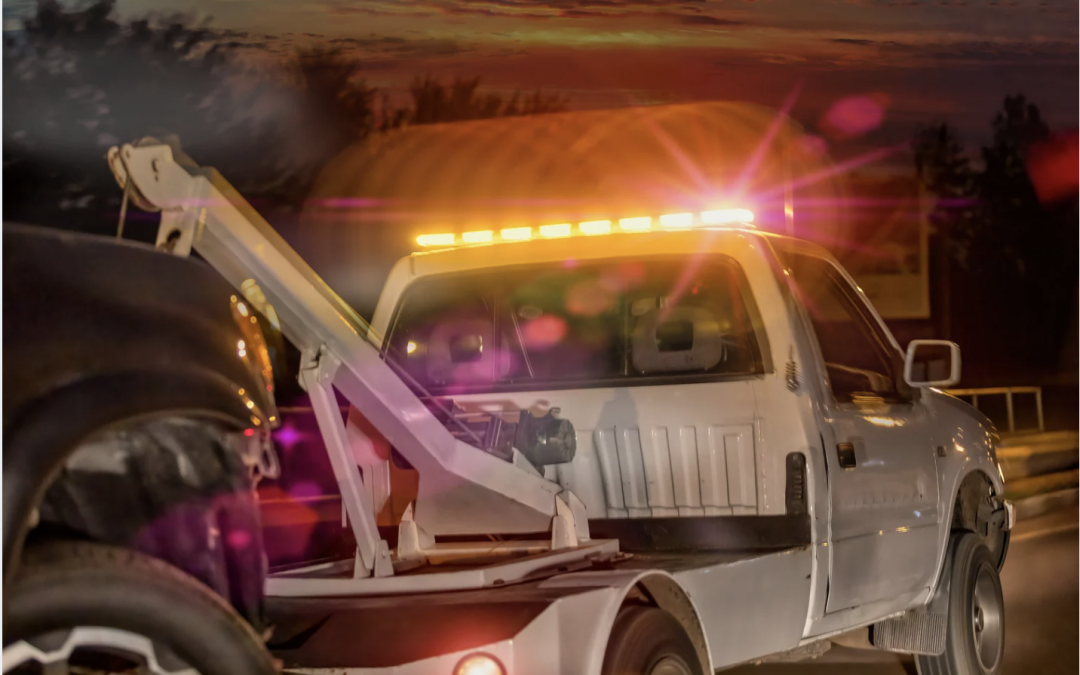
Breaking down is stressful at any time, but it can feel even more urgent at night, in bad weather, on a rural road, or on the hard shoulder of a busy motorway. That is why a reliable 24-hour towing service in Ireland is more than a convenience. It is a practical safety service designed to get you, your passengers and your vehicle out of danger as quickly as possible.
This guide explains exactly how emergency vehicle recovery works from the moment you make the call. You will learn what details the dispatcher needs, how the nearest suitable recovery truck is assigned, how towing prices are normally calculated, and what you can do before help arrives to speed up the job. If you are currently stopped in an unsafe location, move away from live traffic first and call for help immediately. For a wider safety checklist, see our step-by-step roadside safety guide.
What a 24-Hour Towing Service in Ireland Actually Does
A 24-hour towing service provides roadside support and vehicle transport outside normal business hours as well as during the day. The aim is simple: assess the situation, send the correct recovery vehicle, make the scene safer, and move the broken-down or damaged vehicle to a garage, home address, secure storage yard or another agreed destination.
In real life, emergency vehicle recovery can cover many situations. A car may have a dead battery and need transport after failed jump-start attempts. A van may have a clutch failure in traffic. A driver may have hit a pothole and damaged a wheel. A vehicle may be stuck after a minor collision, locked in gear, or unable to move because of warning lights and limp mode. In each case, the towing operator decides whether roadside assistance is possible or whether the safest option is recovery.
A professional 24-hour towing service in Ireland is also built around local knowledge. Irish roads vary from motorways and national routes to narrow country lanes, housing estates, car parks and industrial estates. Dispatch needs to understand not only what has gone wrong with the vehicle, but also where it is located and what equipment is needed to reach it safely.
Step 1: The Call Comes In
The first step in any emergency recovery is the phone call. The dispatcher will usually ask a set of focused questions. These questions are not just admin. They help the recovery team send the right truck, estimate arrival time, quote more accurately and reduce risk at the scene.
Your exact location
Location is the most important detail. If you are in a town, a street name and nearby landmark may be enough. If you are on a rural road, the nearest Eircode, junction, village, business, petrol station or identifiable landmark can make a major difference. On a motorway or national road, tell the dispatcher the road number, direction of travel, nearest junction and whether you are before or after an exit.
If you can safely use your phone, a map pin is often the fastest option. Many emergency towing delays happen because the vehicle is not where the driver thinks it is, or because the recovery driver has been given a general area rather than a precise point. The more accurate your location, the faster a 24-hour towing service in Ireland can reach you.
Your vehicle details
The dispatcher will ask for the make, model, colour and registration number of the vehicle. This helps the recovery driver identify you quickly, especially in dark conditions, busy lay-bys or car parks. It also helps determine the correct towing method. A small hatchback, a low sports car, a long-wheelbase van and a 4×4 may require different equipment.
The problem you are experiencing
Explain what happened in simple terms. Did the engine cut out? Is there smoke? Did you hear a bang? Is the vehicle in gear and unable to roll? Are the tyres damaged? Were you involved in a collision? Has the car gone into limp mode? These details shape the recovery plan. For example, a flat tyre on a quiet estate may be straightforward, while a locked automatic gearbox on a hill may require a winch and extra care.
Safety details and passenger needs
Tell the dispatcher if there are children, elderly passengers, vulnerable passengers, pets, or anyone with mobility needs. Also mention if the vehicle is blocking a lane, stopped near a bend, on a blind crest, or in a high-speed area. If there is any immediate danger or collision-related issue, emergency services may be needed as well as recovery. The Garda Roads Policing information is a useful reminder that road safety and traffic risk are central concerns on Irish roads.
Step 2: Dispatch Chooses the Right Recovery Option
Once the call details are clear, dispatch decides how to handle the job. A good 24-hour towing service does not simply send any available vehicle. It sends the most suitable available unit for the job, location and urgency.
Dispatch considers distance, traffic, road conditions, truck type, vehicle weight, access restrictions and the driver’s situation. If a vehicle is in a dangerous position, the call may be prioritised. If it is safely parked at home or in a private driveway, the job may be scheduled differently. The best outcome is not always the fastest truck on paper; it is the recovery operator who can complete the job safely and correctly.
- Flatbed recovery: commonly used when the vehicle should be transported with all wheels off the road.
- Wheel-lift towing: suitable for certain vehicles and short-distance movements where appropriate.
- Winching: used when a car cannot move under its own power, is stuck, or cannot be rolled easily.
- Roadside assistance first: used where the issue may be solved safely at the scene, such as some battery, wheel or minor access issues.
- Accident recovery: used when a vehicle is damaged, unsafe to drive, leaking fluids or needs careful loading.
This is where professional emergency vehicle recovery differs from casual towing. The recovery team must protect the vehicle, avoid further damage, reduce traffic risk and follow safe loading procedures. If the vehicle is electric, automatic, four-wheel drive, heavily modified, lowered or carrying tools and equipment, the dispatcher should know before the truck arrives.
Step 3: You Prepare While the Truck Is on the Way
After the 24-hour towing service in Ireland has been dispatched, your next priority is safety. The best preparation depends on where you have stopped, but a few principles apply in most situations.
- Switch on hazard lights if it is safe to do so.
- Move passengers away from traffic, ideally behind a barrier or to a safe place.
- Do not stand between your vehicle and moving traffic.
- Keep your phone available and charged if possible.
- Have your keys ready for the recovery driver.
- Remove essential personal items if it is safe, such as wallet, medication, child seats or work devices.
- Do not attempt repairs in a dangerous location.
If you are on a motorway, preparation is different because traffic speeds are higher and the hard shoulder is not a safe waiting area. Leave the vehicle from the passenger side if possible, get behind the barrier, and avoid returning to the vehicle unless instructed and safe. For more detail, read our motorway breakdown assistance guide.
In towns and residential areas, you may be able to wait in a safe nearby location. In rural areas, stay visible but do not stand on the carriageway. At night, avoid wandering away from the agreed pickup point unless you have informed dispatch. The recovery driver is trying to find you as well as the vehicle.
Step 4: The Recovery Driver Arrives and Assesses the Scene
When the recovery driver arrives, they will usually position the truck to protect the work area as much as practical. They may use warning lights, cones or other safety equipment depending on the location. Their first job is to assess the scene, not immediately load the vehicle.
The driver may check whether the vehicle rolls, steers and brakes. They may ask whether it starts, whether the handbrake works, whether the wheels are damaged, and whether there are any leaks. If the car is parked in a tight space, they will decide whether it can be moved manually, winched, skated or approached from a different angle.
For emergency vehicle recovery, this assessment protects you from extra damage. Pulling a car incorrectly can damage bumpers, suspension, transmissions or underbody parts. Loading a vehicle with a seized wheel, locked steering or gearbox problem requires patience and the right technique. A professional 24-hour towing service will explain the plan before moving the vehicle where possible.
How 24-Hour Towing Pricing Is Calculated
Pricing is one of the biggest questions drivers have when they call a 24-hour towing service in Ireland. Costs vary because recovery jobs vary. A short tow from a safe car park is very different from a late-night motorway recovery, a damaged vehicle after a collision, or a rural winching job in poor weather.
Most towing prices are influenced by a combination of the following factors:
- Call-out time: out-of-hours, weekends and bank holidays may affect the rate.
- Distance to the vehicle: the recovery truck must travel to your location.
- Towing distance: longer transport to a garage, home address or storage location costs more.
- Vehicle type and size: cars, vans, 4x4s and commercial vehicles may require different equipment.
- Complexity: winching, locked wheels, collision damage, low clearance or restricted access can add time.
- Location risk: motorway, hard shoulder, narrow road or traffic hazard jobs may require urgent handling.
- Destination choice: taking the vehicle to a distant garage instead of a nearby safe location may change the quote.
A reputable provider will try to give a clear estimate before dispatch, based on the information available. If the situation changes when the driver arrives, the price may need to be updated. For example, a driver might describe a vehicle as having one flat tyre, but on arrival the recovery operator may find the suspension is damaged and the car cannot roll. That changes the equipment and time required.
To get the most accurate quote, be honest and specific. Tell dispatch if the car is in an underground car park, nose-in against a wall, down a narrow lane, stuck in mud, loaded with equipment, or unable to select neutral. Accurate information helps the 24-hour towing service quote correctly and arrive prepared.
Practical Examples of Emergency Vehicle Recovery
Here are some common scenarios that show how emergency vehicle recovery works in practice.
Example 1: Car will not start outside work
You finish a late shift and your car will not start. The lights are dim, the engine clicks, and a jump-start is not available. You call a 24-hour towing service in Ireland and provide the workplace Eircode, vehicle registration and symptoms. Dispatch may send roadside assistance first if the issue sounds battery-related, or a recovery truck if the car needs transport. If the vehicle cannot be started safely, it can be taken home or to your preferred garage.
Example 2: Van loses power on a national road
Your van loses power and you manage to pull into a lay-by. Because it is a work vehicle, it contains tools and materials. Dispatch needs to know the size of the van, whether it is loaded, and whether it can roll. The recovery operator may send a truck suitable for the weight and wheelbase. The towing destination might be a commercial garage, fleet yard or safe storage location.
Example 3: Older car overheats on a rural road
An older car overheats on a rural road and coolant is visible under the engine bay. Continuing to drive could cause serious damage. In this case, emergency vehicle recovery is often safer than attempting to limp home. If your vehicle is older or has recurring reliability issues, our guide to breakdown assistance for used cars and older vehicles explains why planning ahead is especially important.
Example 4: Minor collision leaves the car unsafe
After a low-speed collision, the car may still start, but the wheel alignment is visibly wrong and the bumper is rubbing against a tyre. Driving further could be dangerous. A 24-hour towing service can recover the vehicle to a repairer or secure location. The recovery driver may need to inspect the wheel position, use a winch, and load the car carefully to avoid additional damage.
What Details Should You Have Ready Before Calling?
If you are safe enough to gather information, having the right details ready can reduce delays. Before calling a 24-hour towing service in Ireland, try to prepare the following:
- Your name and mobile number.
- Exact location or map pin.
- Vehicle registration, make, model and colour.
- Brief description of the fault or incident.
- Whether the vehicle starts, steers, brakes and rolls.
- Whether the vehicle is automatic, electric, hybrid, 4×4, lowered or modified.
- Passenger needs, including children, pets or mobility requirements.
- Your preferred destination, such as home, garage or storage yard.
- Any access issues, such as low-height car parks, locked gates, narrow entrances or steep driveways.
Do not worry if you do not know every technical detail. A good dispatcher can guide you through the questions. The key is to describe what you can see and what happened before the breakdown. Clear information leads to faster dispatch, fewer surprises and a smoother recovery.
How Drivers Can Prepare for Faster Recovery
Nobody plans to break down, but a little preparation can save time and stress. Store the number of a trusted 24-hour towing service in your phone before you need it. Keep your insurance and breakdown policy details accessible. Know how to find your Eircode and share your live location. If you regularly drive long distances, keep a phone charger, high-visibility vest, torch and warm clothing in the car.
Vehicle preparation also matters. Check tyre condition, coolant level, oil level and warning lights before long journeys. Do not ignore new noises, burning smells, clutch changes, steering vibration or repeated battery issues. Many emergency towing calls begin with small warning signs that were easy to dismiss.
If your car has special towing requirements, learn them in advance. Some automatics, electric vehicles, hybrids and four-wheel-drive vehicles should not be towed with driven wheels on the road. Your handbook may specify transport mode, towing eye location or loading restrictions. Sharing this information helps the recovery driver choose the safest method.
Why Fast Dispatch Matters
Fast dispatch is about more than convenience. A broken-down vehicle can become a hazard, especially in darkness, heavy rain, fog, bends, junctions or high-speed traffic. The sooner a professional emergency vehicle recovery operator reaches the scene, the sooner the risk can be reduced.
Fast dispatch also reduces secondary problems. A car stopped with hazards on can drain its battery. A vehicle with a coolant leak may become more damaged if restarted repeatedly. A driver waiting alone late at night may feel vulnerable. A van blocking an entrance may affect business operations. A dependable 24-hour towing service in Ireland understands that every minute matters.
Choosing a 24-Hour Towing Service You Can Trust
When you need help quickly, it is tempting to choose the first number you find. However, the quality of the recovery provider matters. Look for clear communication, realistic arrival times, suitable equipment, transparent pricing and a professional approach to safety. A trustworthy 24-hour towing service should ask the right questions and explain what will happen next.
Local experience is also valuable. A recovery operator who knows the area can often identify landmarks, understand traffic patterns, and choose efficient routes. This can be especially helpful at night, in rural locations, or when the vehicle is stopped somewhere difficult to describe. For drivers, the best recovery company is not only the one that tows the vehicle; it is the one that makes a difficult situation feel manageable.
Conclusion: Know What to Expect Before You Need Towing
A 24-hour towing service in Ireland works best when the driver and dispatcher share clear information. You call, explain your location and vehicle problem, dispatch selects the right recovery option, and the recovery driver secures and transports the vehicle safely. Pricing depends on time, distance, vehicle type, complexity and destination, but accurate details help produce a clearer estimate from the start.
If you break down, focus on safety first. Get away from traffic, share your exact location, keep your phone available and do not attempt risky roadside repairs. Whether you are dealing with a flat battery, overheating engine, puncture, collision damage or a car that simply will not move, professional emergency vehicle recovery can get you back in control.
Need urgent help now? Contact Recovery CC for responsive 24-hour towing service and reliable vehicle recovery support when you need it most.